
Direct Anser For This Question : A beginner makeup routine needs a skin-prep step, a complexion product that matches your skin, concealer only where needed, a little color for the cheeks, simple eye definition, a comfortable lip product, and clean tools. Start with light layers, blend each layer, and build only where you want more coverage. This guide explains what to buy, what order to use it in, and how to make makeup look like your skin—only more polished.
Makeup is not about covering your features or following one fixed look. It is a flexible way to even the appearance of skin, define the eyes and brows, add color, and express personal style. Whether you want a five-minute everyday face, a work-ready routine, or the confidence to experiment with a soft-glam look, the most useful beginner skill is learning what each product does and using a small amount well.
Beginner rule: good makeup starts with skin care, small amounts, and patient blending. You can always add more; removing too much is harder.
Begin With Your Skin Type and Skin Preparation
Knowing your skin type helps you choose textures that feel comfortable and wear well. Skin can also change with climate, season, hormones, and the products you use, so treat these categories as a starting point rather than a permanent label. If you have a persistent skin concern, a dermatologist is the best source of individual advice.

- Oily skin: may look shiny through the T-zone. Lightweight, oil-controlling or soft-matte formulas can be comfortable.
- Dry skin: can feel tight or show flaky patches. Hydrating skin care and creamy, dewy formulas often sit more smoothly.
- Combination skin: may be oilier around the forehead, nose, and chin, while the cheeks feel normal or dry. Apply products by area rather than using one heavy formula everywhere.
- Sensitive skin: may react to fragrance or new ingredients. Patch test new products and introduce one at a time.
- Normal or balanced skin: can generally choose a finish based on personal preference, climate, and the result desired.
Before makeup, cleanse as appropriate for your skin, apply moisturizer, and use broad-spectrum sunscreen during the day. Let each skin-care layer settle before adding makeup. This helps prevent pilling and gives complexion products a smoother surface. A primer is optional, not mandatory: use one when it solves a real concern, such as excess shine, visible texture, or dry patches.
Essential Makeup Products for Beginners
You do not need a drawer full of products to begin. A small kit with shades you will actually wear is easier to learn with and easier to keep clean. Look for a practical mix of Marshalls beauty products for women and men when you need everyday essentials, grooming tools, skin care, or a simple cosmetic bag. Choose products based on your own skin tone, finish preference, and ingredient needs—not a trend alone.
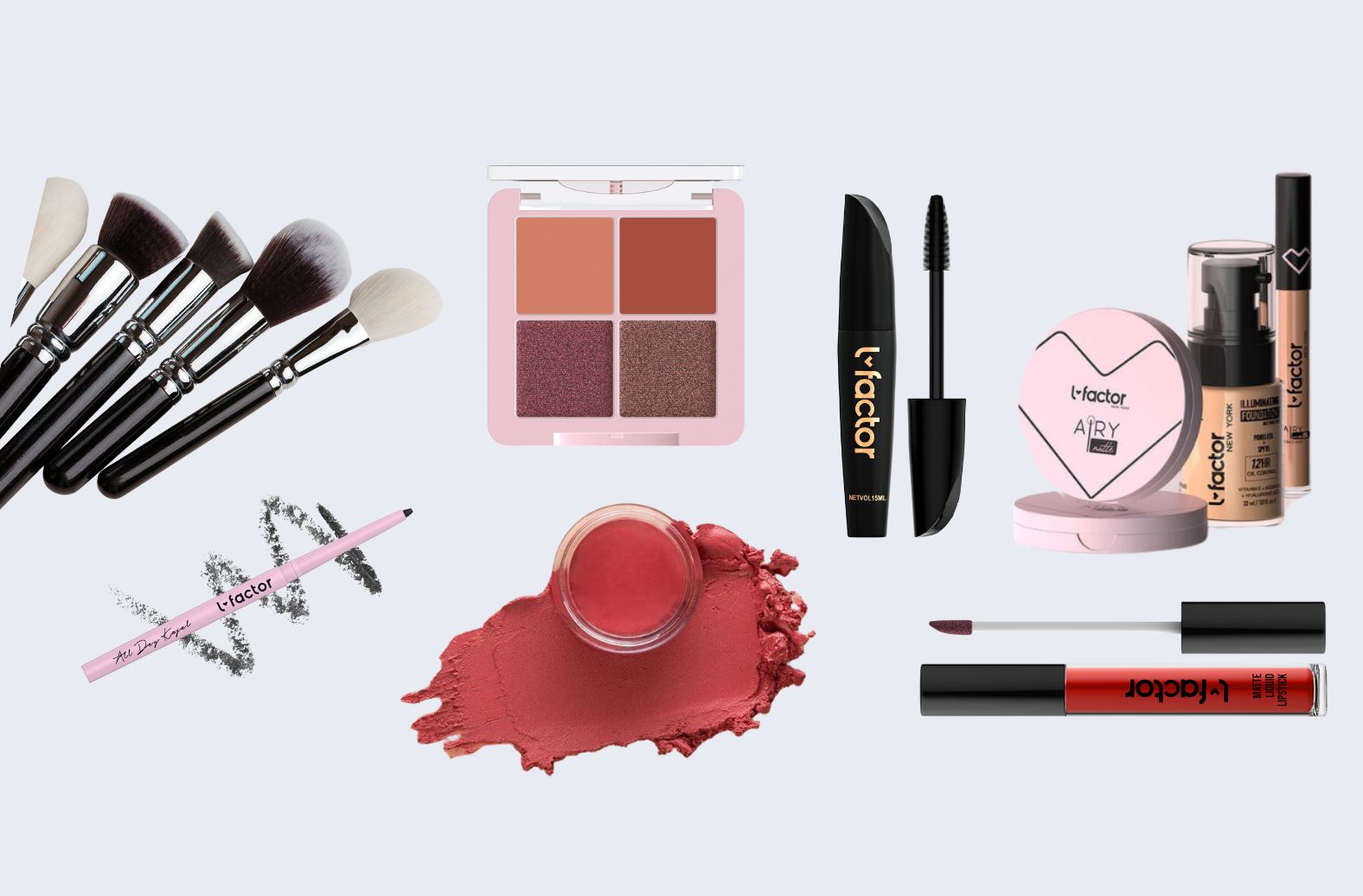
1. Primer
Primer is a base layer that can help makeup apply more evenly or last more comfortably. A hydrating primer can help with dryness, while an oil-controlling or blurring primer may suit shiny areas or visible pores. Use a pea-sized amount; too much primer can make later layers move around.
2. Foundation, skin tint, or tinted moisturizer
A complexion product evens the appearance of skin. Beginners often find a skin tint, tinted moisturizer, or light-coverage liquid foundation easiest to blend. Test shades along the jawline in natural light and choose the one that appears to disappear into the face and neck. Powder foundation can be convenient for touch-ups, while stick formulas can offer more coverage in a portable format.
3. Concealer
Concealer targets specific areas: under-eye darkness, redness, or blemishes. Select a shade close to your foundation for blemishes. For a brightened under-eye, a shade only slightly lighter can work, but a very pale shade can look ashy in photos. Apply small dots and press or tap to blend rather than rubbing.
4. Setting powder or setting spray
Powder helps set cream products and reduce shine; pressed powder is useful for a bag, while loose powder offers a light finish at home. Setting spray can help meld powdery layers together and refresh the overall look. Use either lightly—especially when you are new to makeup.
5. Blush, bronzer, and highlighter
Blush adds life to the cheeks. Cream blush usually gives a fresh, skin-like finish, while powder blush is quick and easy to layer. Bronzer adds warmth where the sun naturally hits, such as the temples and outer cheeks. Highlighter is optional; use a small amount on the high points of the face for a soft glow instead of a stripe of shimmer.
6. Eyeshadow, eyeliner, and mascara
A neutral palette with light, medium, and deep shades is enough for many looks. A pencil liner is often more forgiving than liquid eyeliner because it can be softly smudged. Mascara defines lashes, but it should never feel uncomfortable; remove it gently at the end of the day.
7. Brow and lip products
Brow pencil, brow powder, or tinted gel can fill sparse areas and keep hairs in place. Use short, hair-like strokes and stop before the brow looks blocky. For lips, begin with balm, tinted balm, gloss, or a comfortable lipstick. A lip liner close to your natural lip color can define the edge and help color wear evenly.
A well-organized kit is more likely to get used. Consider a Marshalls makeup bag, brushes, and beauty accessories if your products need a clean, portable home. Washable brushes, a mirror, and a sponge are worthwhile basics for any beginner.
Shop beginner beauty essentials
Step-by-Step Makeup Application Guide
This sequence is a reliable everyday order. Adapt it—there is no rule that says everyone must use every step.
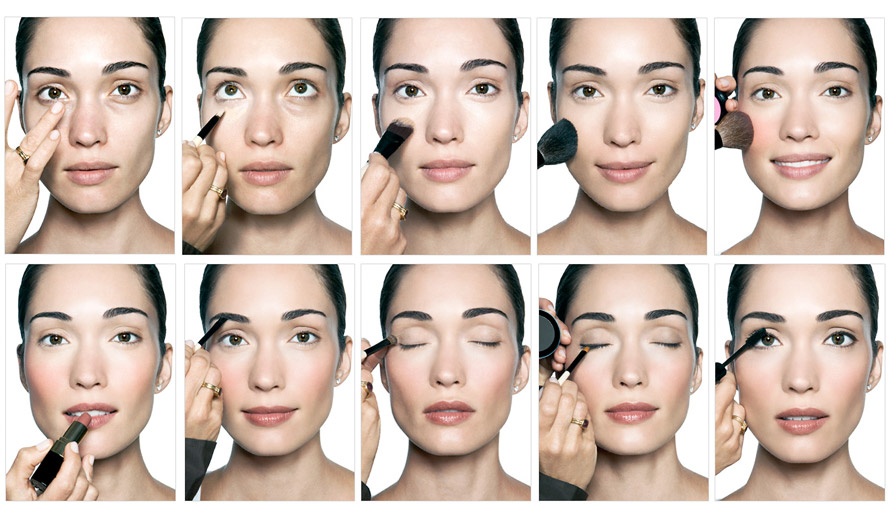
Step 1: Prep the skin
Start with clean skin, moisturizer, and daytime sunscreen. Let them settle. If desired, press a small amount of primer into areas where makeup usually separates, fades, or looks textured.
Step 2: Apply a thin complexion layer
Put a small amount of foundation, tint, or tinted moisturizer on the center of the face and blend outward with clean fingers, a damp sponge, or a brush. Check the jawline, hairline, and sides of the nose. The goal is an even veil, not a mask.
Step 3: Add concealer only where it helps
Tap concealer under the eyes, around the nose, or directly over a blemish. Let it sit briefly on a blemish for extra coverage, then blend the edges. Keeping coverage targeted preserves a natural finish.
Step 4: Set selectively
With a fluffy brush, dust a small amount of powder over the T-zone, under the eyes, or other areas that crease. If your skin is dry, you may need very little powder or none at all.
Step 5: Add color and warmth
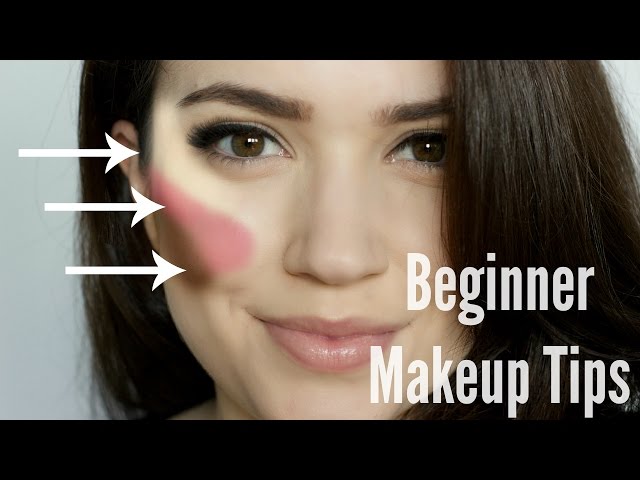
Smile gently and blend blush slightly above the apples of the cheeks toward the temples. Sweep bronzer around the outer face where warmth naturally appears. Add a subtle highlighter to cheekbones or inner eye corners only if you enjoy the effect.
Step 6: Keep eye makeup simple
Use a light shadow across the lid, a medium matte shade through the crease, and a deeper shade close to the outer lash line for depth. Blend the edges until there are no obvious lines. Add pencil liner close to the lashes and one or two coats of mascara.
Step 7: Shape brows softly
Brush brow hairs upward, fill only the sparse areas, and soften with a spoolie. Tinted gel is a fast option for a natural, groomed result.
Step 8: Finish with a lip product
Apply balm, gloss, lipstick, or lip stain. For an easy beginner finish, use a tinted balm or dab lipstick on with a finger and soften the edges.
Step 9: Set and check in natural light
Mist setting spray from a comfortable distance if you use it. Then look at the face in natural light. Blend any obvious edges and make small adjustments rather than adding another full layer.
How to Choose Makeup Shades and Tools
Foundation shade matching is easiest in daylight. Swatch two or three candidates along the jawline, wait a few minutes, and see which one best matches both face and neck. Undertone matters too: skin may lean warm, cool, neutral, or olive. If you are unsure, choose a flexible light-coverage formula and ask a qualified beauty associate for help matching in person.
For blush, choose a shade that resembles the natural flush you get after a brisk walk. For eyeshadow, warm browns, taupes, soft rose, bronze, and neutral mattes are useful beginner choices because they are forgiving and versatile. A Marshalls eyeshadow palette and everyday lip color can be a practical way to try wearable shades, provided you check product condition, expiration guidance, and suitability before use.
Keep tools simple: one sponge or complexion brush, a fluffy powder brush, a blush brush, a small eyeshadow brush, and a brow spoolie cover most beginner needs. Clean brushes and sponges regularly with gentle brush cleanser or mild soap, then let them dry fully. Do not share eye products or use makeup after an eye infection.
Daily Grooming and Beauty Beyond Makeup
Looking put together is often the result of a comfortable routine rather than heavy makeup. Moisturizer, sunscreen, tidy brows, clean nails, cared-for lips, and a scent you enjoy can make a meaningful difference. These routines are for everyone: women, men, and anyone who wants a more polished everyday appearance can choose skin care, grooming, fragrance, and cosmetic products that fit their preferences.
For a thoughtful everyday refresh, explore Marshalls skin care, grooming, fragrance, and beauty gifts. Useful choices may include moisturizer, face wash, sunscreen, lip balm, shaving or beard-care items, body lotion, fragrance, nail-care tools, and travel-size organizers. Buy only sealed, suitable products, patch test when appropriate, and stop using anything that causes irritation.
Browse skin care and everyday grooming finds
Beginner Makeup Mistakes to Avoid
- Using too much at once: begin with thin layers and add coverage only where you need it.
- Skipping skin prep: moisturizer and sunscreen can improve how makeup sits and feels.
- Testing foundation on a hand only: match on the jawline in daylight instead.
- Forgetting to blend: use a clean brush, sponge, or fingertip to soften edges at the jaw, cheeks, and eyes.
- Using dirty tools: residue and bacteria can affect application and may irritate skin.
- Keeping old or changed products: replace products that smell unusual, change texture, or pass their recommended use period.
- Copying a look without adapting it: use tutorials as inspiration, then adjust shades and placement for your features and comfort.
Quick 5-Minute Makeup Routine for Beginners
On busy mornings, apply moisturizer and sunscreen, then use a small amount of skin tint or concealer only where wanted. Brush brows up with tinted gel, tap cream blush onto cheeks, curl lashes if you like, apply mascara, and finish with tinted lip balm. This routine is fast, lightweight, and easy to personalize.
Frequently Asked Questions About Beginner Makeup
What makeup should a beginner buy first?
Start with moisturizer and sunscreen, a light complexion product or concealer, blush, mascara, brow gel or pencil, a lip product, and a few clean tools. Add primer, powder, eyeliner, and eyeshadow once you know you will use them.
Do I need primer before makeup?
No. Primer is optional. Use it if it helps with a specific need, such as oil control, hydration, or smoothing the appearance of texture. Good skin preparation alone works well for many everyday looks.
How do I make makeup look natural?
Use a shade-matched, light-coverage base; apply concealer only where needed; choose soft blush and brow products; and blend every edge. Thin layers tend to look more skin-like than one heavy layer.
What is the correct order to apply makeup?
A useful order is skin care and sunscreen, primer if used, complexion product, concealer, powder if needed, cheek products, brows, eyes, lips, and setting spray if used. You can adjust this order to suit the formulas you prefer.
Can men use makeup?
Yes. Makeup and grooming are personal choices, not gendered rules. Men may choose concealer, brow gel, tinted moisturizer, lip balm, powder, or any other product that helps them feel comfortable and confident.
How often should I clean makeup brushes?
Clean brushes and sponges regularly, especially tools used with liquid or cream products. Wash them with a suitable gentle cleanser, rinse well, reshape, and let them dry completely before reuse.

Build Skills, Not Clutter
Makeup becomes easier when you practice the same small routine a few times before adding new techniques. Photograph a look in daylight, note what wore well, and adjust one variable at a time. The aim is not perfection—it is finding colors, textures, and a level of coverage that help you feel like yourself. With clean tools, thoughtful skin preparation, and a curated kit, you can create an everyday look that enhances your natural features and your confidence.